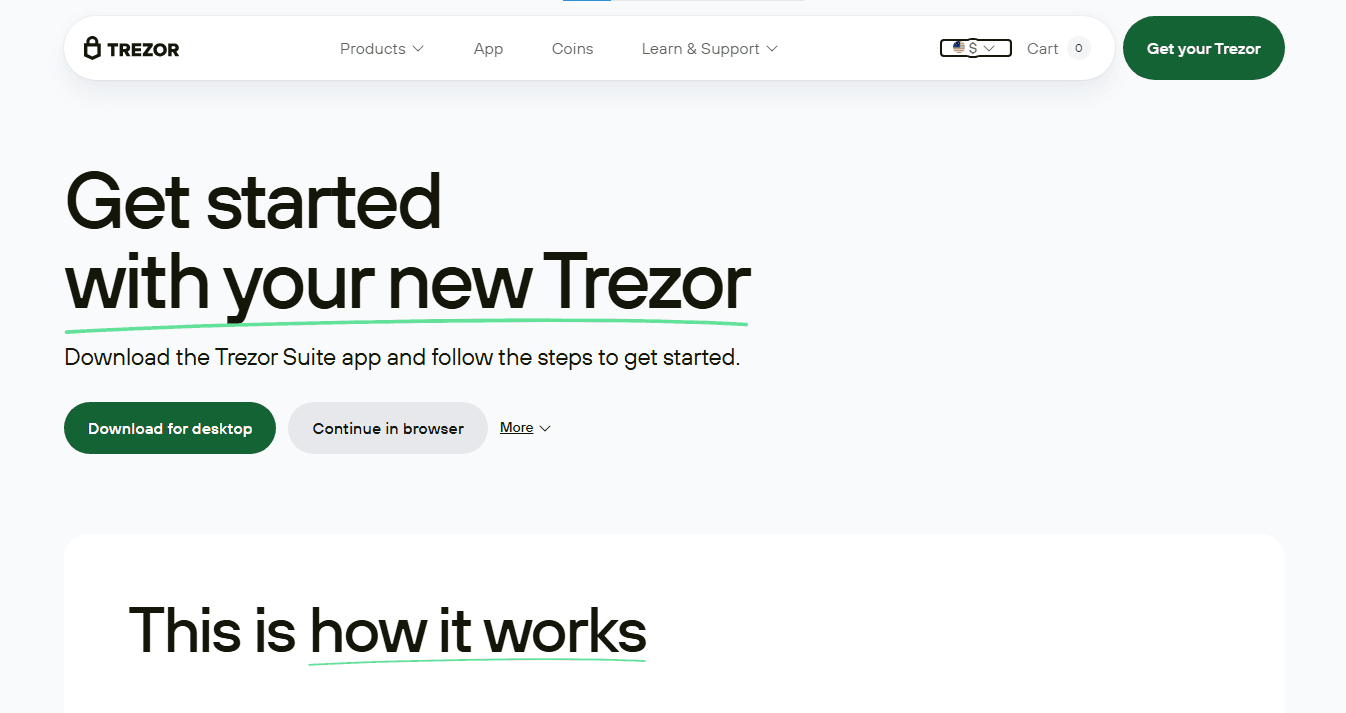
Trezor.io/start: A Complete Guide to Setting Up and Securing Your Cryptocurrency
Cryptocurrency gives people direct ownership of their money, removing the need for banks or centralized authorities. This independence is one of crypto’s greatest strengths—but it also introduces a serious responsibility. When you control your own funds, security becomes your job. There are no password resets, no account recovery emails, and no customer service that can reverse a mistake.
This is why hardware wallets exist. Trezor is one of the most established and trusted names in crypto security. The official setup process begins at Trezor.io/start, where users are guided step by step through creating a secure wallet, protecting their recovery data, and managing digital assets safely.
This guide explains what Trezor is, why Trezor.io/start matters, and how to use a Trezor wallet responsibly from the very beginning.
Why Secure Self-Custody Is Essential
Many people begin their crypto journey using exchanges or mobile apps. While convenient, these platforms do not give true ownership. When funds are stored online, users depend on third parties to protect access.
Common risks of online storage include:
Exchange hacks
Account freezes or restrictions
Phishing attacks
Malware on devices
Platform shutdowns
In contrast, self-custody means you alone control access to your funds. A hardware wallet like Trezor makes self-custody practical and secure by keeping sensitive information offline.
What Is Trezor?
Trezor is a hardware wallet, a physical device designed to store cryptocurrency private keys securely. Private keys are what authorize transactions on a blockchain. If someone gains access to your private keys, they gain control over your funds.
Trezor devices are built so that:
Private keys never leave the device
Transactions must be confirmed physically
Malware on computers cannot steal keys
Users retain full ownership at all times
Trezor wallets are open-source, meaning their software can be independently reviewed, which adds transparency and trust.
What Is Trezor.io/start?
Trezor.io/start is the official onboarding page for Trezor hardware wallets. It ensures that users:
Download authentic Trezor software
Follow verified setup instructions
Avoid fake apps or phishing attempts
Learn correct security practices
Using unofficial guides or software can expose users to malicious tools designed to steal funds. Trezor.io/start exists to prevent that risk.
Choosing a Trezor Device
Trezor offers different hardware wallet models, each designed to meet different user preferences.
Trezor One
This is a simple, reliable device suitable for beginners and long-term holders. It supports a wide range of cryptocurrencies and provides strong security in a compact form.
Trezor Model T
This advanced model includes a touchscreen interface and additional features. It is designed for users who want enhanced usability and support for a broader range of assets.
Both devices follow the same security principles and provide offline key protection.
Preparing for Secure Setup
Before beginning the setup process at Trezor.io/start, it’s important to prepare properly.
You should:
Choose a private, quiet environment
Avoid public or shared computers
Disable screen recording or cameras
Have pen and paper ready
The setup process generates sensitive information that should never be exposed. Preparation reduces the risk of mistakes.
Installing Trezor Software
To manage a Trezor wallet, users must install the official software recommended during setup. This software acts as the interface between the user and the blockchain while keeping private keys safely inside the device.
The software allows users to:
Initialize the wallet
Manage cryptocurrency accounts
Send and receive funds
Monitor balances
Perform device updates
Downloading software only through Trezor.io/start ensures authenticity.
Connecting and Initializing the Device
After installing the software, connect your Trezor device using the provided USB cable. The device will guide you through the setup process using on-screen instructions.
At this stage, users choose to:
Create a new wallet, or
Recover an existing wallet
New users should always create a new wallet unless they are restoring funds from a previous device.
The Recovery Seed: Your Backup Key
During setup, the Trezor device generates a recovery seed, typically consisting of 12 or 24 words. This seed is the most important piece of information associated with your wallet.
What the Recovery Seed Does
The recovery seed:
Restores access if the device is lost or damaged
Works on compatible wallets
Provides full control over all funds
If the recovery seed is lost and the device fails, the funds are permanently inaccessible.
How to Store the Recovery Seed Safely
Best practices include:
Writing the seed on paper
Keeping it offline at all times
Storing it in a secure location
Never sharing it with anyone
Never store the recovery seed digitally, and never enter it into websites or apps claiming to provide support.
Setting a Device PIN
After creating the recovery seed, users set a PIN code. The PIN protects the device from unauthorized physical access.
If the wrong PIN is entered multiple times:
The device wipes itself
Funds remain safe
Recovery requires the recovery seed
Choose a PIN that is hard to guess but easy for you to remember.
Managing Cryptocurrency Accounts
Once setup is complete, users can begin managing their assets.
Adding Accounts
Each cryptocurrency is managed through its own account. Accounts allow users to:
Receive funds
Send transactions
View balances and history
Multiple accounts can be created for organizational purposes.
Receiving Cryptocurrency
To receive funds:
Select the appropriate account
Generate a receiving address
Verify the address on the Trezor device
Verifying the address on the device ensures it has not been altered by malicious software.
Sending Cryptocurrency
To send funds:
Enter the recipient address and amount
Review transaction details
Confirm the transaction on the device
Transactions are signed inside the Trezor wallet, keeping private keys offline.
Portfolio Overview and Monitoring
The Trezor software provides an overview of all accounts. Users can:
View total balances
Track transaction history
Monitor asset distribution
Check network confirmations
This visibility helps users stay informed without compromising security.
Keeping the Wallet Secure Over Time
Firmware Updates
Trezor regularly releases firmware updates to improve security and functionality. Updates are installed through the official software and must be confirmed on the device.
Keeping firmware up to date helps protect against newly discovered vulnerabilities.
Optional Advanced Security Features
Advanced users may choose to enable additional security options such as passphrases. A passphrase creates a hidden wallet derived from the recovery seed.
This feature adds protection but requires careful handling, as losing the passphrase results in loss of access.
Everyday Security Best Practices
Strong habits are essential for long-term safety:
Never share your recovery seed
Verify addresses on the device
Avoid public or shared computers
Keep software and firmware updated
Be cautious of unsolicited messages
Test transactions with small amounts
Most cryptocurrency losses occur due to human error rather than device failure.
Common Issues and How to Handle Them
Device Not Detected
Try a different USB port or cable
Restart the software
Check device permissions
Missing Balance
Ensure the correct account is selected
Refresh the account
Verify blockchain confirmations
Delayed Transactions
Network congestion may cause delays
Check transaction fees
Wait for confirmations
Why Trezor Is Widely Trusted
Trezor has earned trust through:
Open-source design
Transparent security practices
Offline key storage
Broad cryptocurrency support
Years of industry experience
Its focus on user education and security makes it a preferred choice for self-custody.
Final Thoughts
Trezor.io/start is the foundation for responsible cryptocurrency ownership. It guides users through proper setup, teaches essential security principles, and ensures access to official tools only.
Using a Trezor wallet means taking full control of your digital assets. With that control comes responsibility—but also independence, confidence, and long-term security.
In a decentralized financial world, informed self-custody is the strongest protection available. Starting at Trezor.io/start ensures that journey begins the right way.