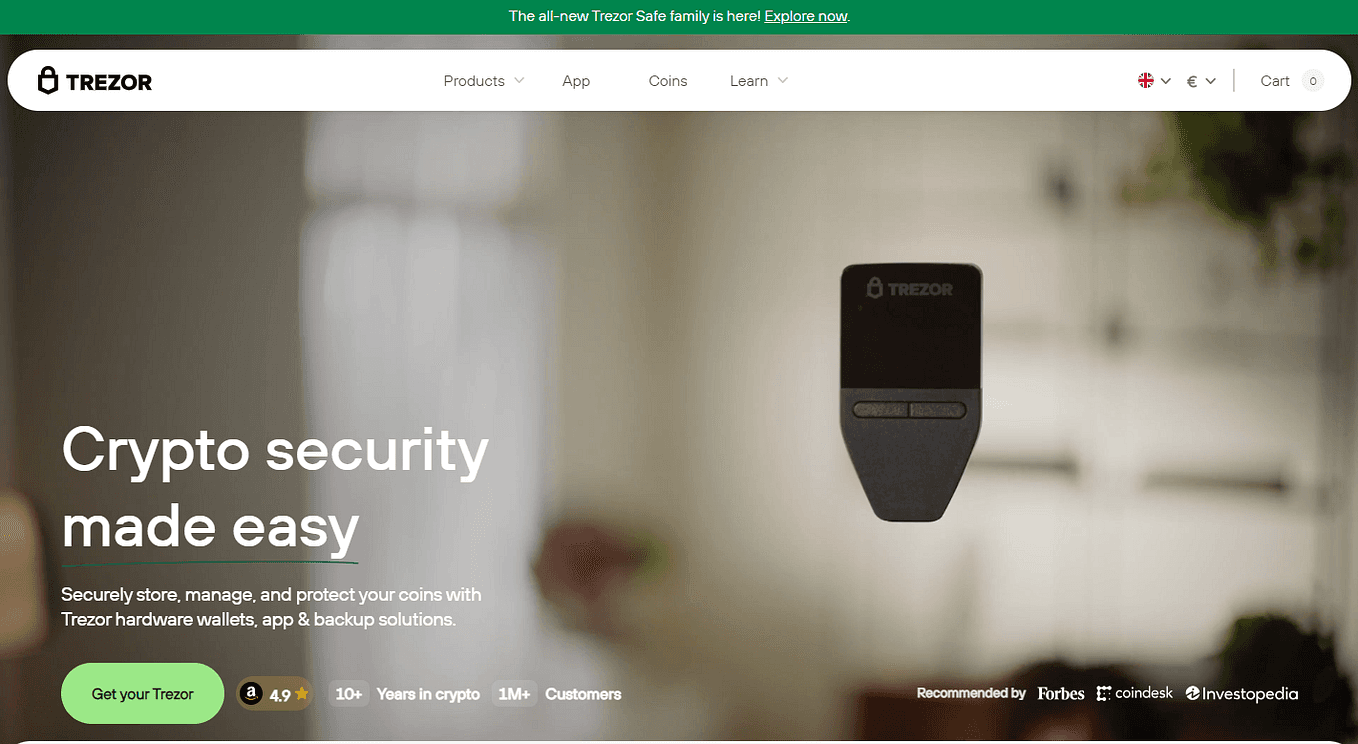
Trezor.io/start: A Reliable Way to Protect and Control Your Cryptocurrency
Cryptocurrency was designed to give people independence over their money. There is no central authority controlling transactions, no bank approvals, and no limits on how value can move across borders. While this system offers freedom, it also removes safety nets. When mistakes happen in crypto, they are often permanent.
Because of this, how you store your cryptocurrency matters just as much as what you invest in. Trezor is a well-established hardware wallet created to help users protect their digital assets while maintaining full ownership. The correct place to begin using a Trezor device is Trezor.io/start, the official setup page designed to guide users through a secure and verified initialization process.
This guide explains the role of Trezor, the importance of proper setup, and how to manage cryptocurrency safely over time.
Why Crypto Storage Deserves Serious Attention
Unlike traditional finance, cryptocurrency does not rely on usernames, passwords, or recovery emails. Access is controlled entirely through cryptographic keys. If those keys are lost or exposed, funds can be stolen or permanently locked.
Many common storage methods leave users vulnerable:
Exchange wallets rely on third-party security
Browser wallets can be targeted by malware
Mobile devices can be compromised or lost
Phishing attacks can trick users into revealing secrets
Hardware wallets reduce these risks by separating private keys from internet-connected devices. This separation is the foundation of strong crypto security.
What Makes Trezor a Hardware Wallet
A Trezor device is not an app or an online account. It is a physical security tool designed to protect cryptographic keys. These keys prove ownership and authorize transactions on the blockchain.
Trezor wallets are built so that:
Private keys are created inside the device
Keys never leave the device
Transactions must be approved manually
External software cannot access sensitive data
Even if your computer or phone is compromised, your private keys remain protected inside the Trezor hardware.
The Purpose of Trezor.io/start
Trezor.io/start exists to help users avoid common setup mistakes. The setup phase is when wallets are most vulnerable to errors, fake software, and phishing attempts.
Using Trezor.io/start ensures that:
You install official Trezor software
The device is initialized correctly
Recovery information is generated safely
You learn best security practices early
Starting anywhere else increases the risk of downloading counterfeit software or following unsafe instructions.
Selecting the Right Trezor Device
Trezor offers more than one hardware wallet, allowing users to choose based on preference while maintaining the same security standards.
Trezor One
This model focuses on simplicity and reliability. It is suitable for beginners and long-term holders who want strong security without extra complexity.
Trezor Model T
This version includes a touchscreen and expanded features. It offers a more interactive experience and supports a wider range of assets.
Both devices are designed with offline key storage as their core principle.
Preparing for Wallet Setup
Before beginning setup at Trezor.io/start, preparation helps reduce risk.
Recommended preparation:
Choose a private location
Avoid shared or public computers
Turn off screen recording tools
Have pen and paper ready
The setup process creates sensitive information that should never be exposed to others.
Installing Official Trezor Software
To manage a Trezor wallet, users install the official software recommended during setup. This software connects to the blockchain while leaving private keys safely inside the device.
The software allows users to:
Initialize the wallet
Create and manage accounts
Send and receive cryptocurrency
View balances and activity
Update device firmware
Installing software only through Trezor.io/start ensures authenticity and reduces security risks.
Setting Up the Trezor Device
After installing the software, connect the Trezor device using the included USB cable. The device will guide you through setup with clear on-screen instructions.
At this stage, users choose to:
Create a new wallet
Recover an existing wallet
New users should always create a new wallet unless restoring previously secured funds.
The Recovery Seed: Your Ultimate Backup
During setup, Trezor generates a recovery seed, typically 12 or 24 words long. This seed is the most important part of wallet security.
What the Recovery Seed Controls
The recovery seed:
Restores wallet access on a new device
Works even if the original device is lost or damaged
Grants complete control over all funds
Without the recovery seed, there is no way to regain access.
Proper Recovery Seed Storage
To protect the recovery seed:
Write it down clearly by hand
Store it offline in a secure location
Never share it with anyone
Never save it digitally
Anyone with access to the recovery seed can control your cryptocurrency.
Creating a Device PIN
After recording the recovery seed, users create a PIN code. The PIN protects the physical device from unauthorized use.
If the PIN is entered incorrectly multiple times:
The device wipes itself
Funds remain secure
Recovery requires the recovery seed
Choose a PIN that is unique and difficult to guess.
Managing Cryptocurrency After Setup
Once setup is complete, users can begin using their wallet.
Creating Cryptocurrency Accounts
Each digital asset is managed through its own account. Accounts allow users to:
Receive funds
Send transactions
Track balances and history
Multiple accounts can be created for organization or privacy.
Receiving Cryptocurrency
To receive funds:
Select the correct account
Generate a receiving address
Verify the address on the Trezor device
This verification step helps prevent address manipulation by malware.
Sending Cryptocurrency
To send funds:
Enter the recipient address and amount
Review transaction details
Confirm the transaction on the device
The transaction is signed inside the Trezor wallet, keeping private keys offline.
Monitoring Wallet Activity
The Trezor software provides clear visibility into wallet activity. Users can:
View total holdings
Review transaction history
Monitor confirmations
Track asset distribution
This transparency supports informed decisions without compromising security.
Keeping the Wallet Secure Over Time
Firmware Updates
Trezor regularly releases firmware updates to strengthen security and improve performance. Updates are installed through the official software and require confirmation on the device.
Keeping firmware updated is an important part of long-term protection.
Advanced Security Features
Experienced users can enable optional features such as passphrases. A passphrase creates an additional wallet linked to the recovery seed.
This adds security but requires careful handling, as losing the passphrase means losing access.
Everyday Safety Habits
Strong habits are essential:
Never share recovery information
Always verify addresses on the device
Avoid public computers and networks
Keep software and firmware updated
Be cautious of unsolicited messages
Test transactions before moving large amounts
Most losses occur due to human error, not device failure.
Common Problems and Solutions
Device Not Detected
Try another USB port or cable
Restart the software
Check system permissions
Balance Not Showing
Ensure the correct account is selected
Refresh account data
Confirm blockchain confirmations
Transaction Delays
Network congestion may cause delays
Check transaction fees
Wait for confirmations
Why Trezor Is Trusted Worldwide
Trezor has earned trust through:
Open-source software
Transparent security practices
Offline key protection
Broad cryptocurrency support
Long-standing industry presence
Its focus on education and user control makes it a reliable choice for self-custody.
Final Thoughts
Trezor.io/start is the correct starting point for secure cryptocurrency ownership. It helps users set up their wallets properly, understand their responsibilities, and avoid common security mistakes.
Using a Trezor wallet means taking full control of digital assets. With careful setup and consistent security practices, users can protect their funds while enjoying the freedom that cryptocurrency provides.
In a decentralized financial world, informed self-custody is essential—and it starts with the right beginning.